Most dogs don't actually hate nail trims. They hate bad nail trims, the kind where someone's rushing, gripping too hard, or squinting at a dark nail with no idea where to stop. Get the grip and the light right and it's a five-minute job, no vet visit required.
What you'll need
Dog-specific clippers (guillotine-style works well for small breeds, scissor-style for larger ones) or a grinder if your dog tolerates the noise. Keep styptic powder within reach even if you don't think you'll need it. And treats. Good treats, not the stale ones at the bottom of the bag.
Steps
- Get your dog used to having their paws touched, before any clippers show up
Two or three short sessions of just holding and gently pressing each paw, treat in hand, does more for the actual trim than any clipper technique. Skip this step and you'll be fighting the whole way through.
- Pick your moment, and use real daylight if you can
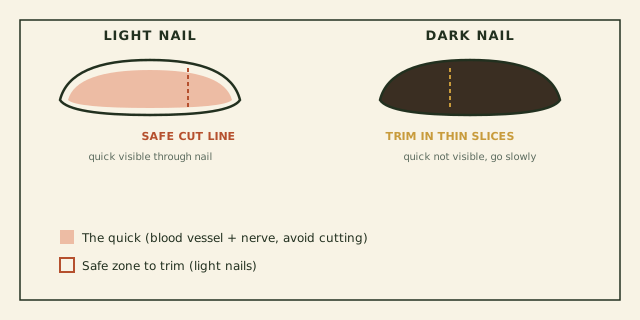
The quick, that pink core running through the center of the nail, is far easier to spot in natural light. Right after a walk tends to work best too. A slightly tired dog holds still better than a wired one.
- Hold the paw from the top
Thumb on the pad, fingers curled gently over the toes. It gives you control without putting pressure on the part of the paw that's actually sensitive.
- Find the quick before the clipper goes anywhere near the nail
Light nails make this easy: look for the pink, then stay a couple of millimeters clear of it. Dark nails take patience. Trim in thin slices and stop the moment you see a dark dot appear in the center of the cut.
- Angle the cut, don't go straight across
About 45 degrees, following the curve the nail already has. It leaves a cleaner edge and the nail is less likely to split later.
- Take less than you think, then look again
One thin slice, check what you're looking at, decide from there. A second small trim costs you nothing. A nail cut too short costs you an upset dog and a harder next session.
- Treat after every paw, not just at the end
This is the part people skip when they're in a hurry, and it's the part that determines whether the next trim is easier or harder. Finish with a quick pass of a nail file over any rough spots.
How often does this actually need doing?
Every three to four weeks for most dogs. You'll usually hear it before you decide to check: that clicking sound on wood or tile floors is the giveaway. Dogs that spend a lot of time walking on pavement wear their nails down naturally and can go longer between trims.
Time and temperament
Realistically: Two to three minutes if your dog is relaxed and cooperative, closer to ten if you're going paw by paw with breaks. First-timers and nervous dogs often take longer than that, and that's fine, rushing is what turns one bad trim into a long-term problem.
Reading them: A dog who pulls the paw back sharply, goes stiff, or starts licking their lips repeatedly is telling you to slow down, not that they hate the process outright. A relaxed paw resting in your hand, with soft eyes and normal breathing, means you've got room to keep going.
Staying patient: If you're feeling rushed or frustrated, stop there and finish the rest another day. Dogs pick up on tension in your grip before they react to the clippers themselves, so a calm five minutes beats a tense two.
Frequently asked questions
What if my dog won't sit still at all?
Drop back to step one and spend a week on paw-touching alone, no clippers involved. And there's no rule that says all four paws have to happen in one sitting. One paw today, one tomorrow works just fine.
Are grinders safer than clippers?
They take off less nail per pass, so there's more room for error before you hit the quick. The tradeoff is the noise and vibration, which some dogs tolerate fine and others really don't. Try both if you're not sure which your dog will prefer.
Can I use human nail clippers?
Better not to. They tend to crush a dog's thicker nail instead of cutting it cleanly, and that can cause splitting even when the trim itself looked fine.
Does nail color affect how often trims are needed?
No, color only affects how easy the quick is to spot, not how fast the nail grows. Dark-nailed dogs need the same frequency, just more careful, incremental trimming each time.