A cat's tail says more than most of what comes out of their mouth. Learning the basics takes the guesswork out of a lot of everyday interactions.
What you'll need
Nothing but attention. This one's about observation rather than a process.
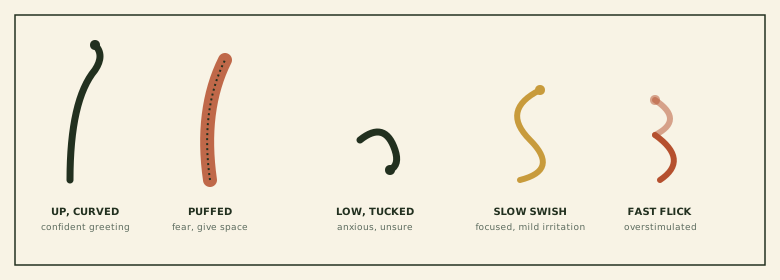
Tail up, slight curve at the tip
This is a confident, friendly greeting, often seen when a cat approaches someone they trust.
Puffed up, the "bottle brush"
A fear or threat response, making themselves look larger. Give them space rather than approaching.
Low, tucked tight against the body
Anxiety or submission. Something in the environment is making them uneasy.
Slow, wide swishing
Usually a sign of focus or mild irritation, common right before a swat during play that's gone slightly too far.
Fast flicking or thumping
Overstimulation. This is often the last warning before a cat disengages from petting or play, worth respecting rather than pushing through.
Frequently asked questions
What does it mean when only the tip twitches?
Usually mild interest or alertness, like watching a bird through a window. Context matters more than the twitch alone.
Can tail language contradict other body signals?
Yes, and when it does, trust the tail. A cat can look relaxed elsewhere but a stiff, low tail is often the more honest signal.