Double-coated breeds carry a soft undercoat beneath a coarser top layer, and the usual slicker brush mostly just skims the surface. Getting through both layers is what actually cuts down on shedding.
What you'll need
An undercoat rake or deshedding tool, a slicker brush for finishing, and a towel or mat to catch the fur that comes out.
Steps
- Brush before a bath, not after
Removing loose undercoat first means the bath doesn't turn all that loose fur into a matted mess.
- Work in sections, against the direction of growth first
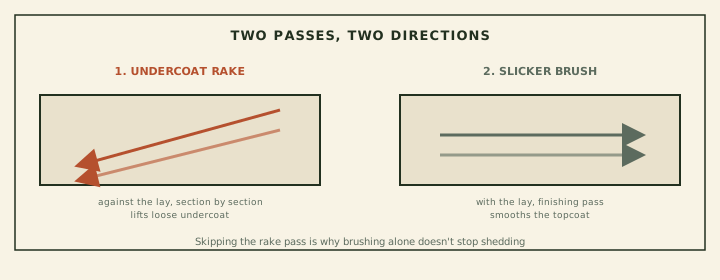
Small sections at a time with the undercoat rake, lifting against the grain, then smoothing back down. Trying to do the whole coat at once usually means missing spots.
- Pay extra attention to friction points
Behind the ears, under the front legs, and around the collar area mat more easily than the rest of the coat and deserve a slower pass.
- Finish with a slicker brush
Once the undercoat tool has done its job, a slicker brush smooths the top coat and picks up any remaining loose hair.
- Do this weekly, and daily during a seasonal blow-out
Most double-coated breeds shed their undercoat heavily twice a year. Daily brushing during that stretch makes a real difference to how much ends up on your floors.
Time and temperament
Realistically: Ten to fifteen minutes for a full weekly session on most double-coated dogs, longer during a seasonal blow-out when you're working through a much heavier undercoat. Rushing the undercoat rake to save five minutes usually means missing the mats forming underneath.
Reading them: A dog who keeps twisting to look back at the brush, or flattens their ears when you reach the same spot twice, is telling you that area is sore or already matted, not just impatient. Leaning into the brush or rolling onto a side to expose more coat is a sign they're comfortable with the pressure and pace.
Staying patient: Seasonal shedding is heavy work for both of you, and splitting it into several shorter sessions across a week beats one long fight to get it all out at once.
Frequently asked questions
Should I ever shave a double coat to help with shedding?
Generally not recommended. The double coat regulates temperature in both directions, and shaving it can disrupt that and sometimes cause it to grow back unevenly.
My dog hates being brushed. Any way around that?
Short daily sessions with treats work better than one long weekly battle. Building tolerance gradually, the same way you would with nail trims, tends to pay off.