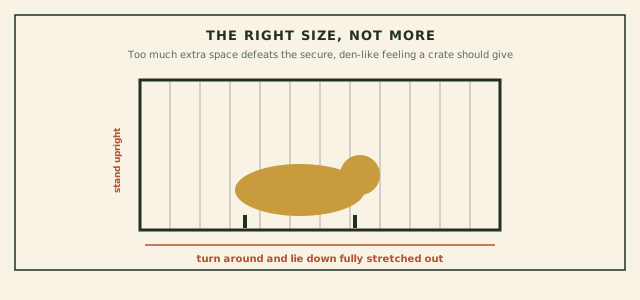
Too big and a crate stops feeling den-like, which can undercut house-training. Too small and it's just uncomfortable. There's a fairly reliable way to get it right.
What you'll need
A tape measure and your dog's approximate adult weight if you're buying for a puppy.
| Wire | Plastic | Soft-sided | |
|---|---|---|---|
| Airflow/visibility | Best | Moderate | Good |
| Den-like feel | Least | Most | Moderate |
| Durability | High | High | Lower, chewable |
| Portability | Heavier, some fold flat | Airline-approved options | Lightest, foldable |
| Best for | Home use, house-training | Anxious dogs, travel | Calm dogs, occasional travel |
Steps
- Measure your dog standing and lying down
Height from floor to the top of the head while standing, and length from nose to base of tail while lying stretched out.
- Add a small margin, not a large one
About 2 to 4 inches beyond both measurements is enough for comfortable turning and standing, without leaving so much space it feels like an open room.
- For a puppy, size for adult weight with a divider
Buying the adult size crate with a removable divider panel means you're not repurchasing a bigger crate every few months, while still keeping the space appropriately small during house-training.
- Consider the crate's actual location, not just the dog
Measure the intended spot in your home too. A crate that fits your dog but not your living room creates its own problems.
Frequently asked questions
Wire or plastic crate, does it matter?
Wire crates offer better airflow and visibility, which suits most dogs. Plastic crates feel more den-like and are often preferred by anxious dogs or for travel.
Is a bigger crate ever better for house-training?
Generally no. Dogs are naturally reluctant to soil where they sleep, and too much extra space undermines that instinct.